Creating Safe Spaces: The Importance of Sensory Experiences

Creating safe spaces is essential for fostering well-being and promoting mental health. In our fast-paced world, where sensory overload is common, understanding the importance of sensory experiences can help us design environments that nurture comfort and security. This blog post will explore the significance of sensory experiences, how they contribute to creating safe spaces, and practical ways to implement them in various settings.

Understanding Sensory Experiences
Sensory experiences encompass the ways we perceive and interact with the world around us through our senses: sight, sound, touch, taste, and smell. These experiences play a crucial role in shaping our emotions, behaviors, and overall mental health.
The Five Senses
Sight: Visual stimuli can evoke strong emotional responses. Bright colors may energize us, while softer hues can promote calmness.
Sound: Sounds can influence our mood significantly. Gentle music or nature sounds can create a peaceful atmosphere, while loud noises can lead to stress.
Touch: Textures and temperatures affect our comfort levels. Soft fabrics can provide a sense of security, while rough surfaces may induce discomfort.
Taste: Flavor can evoke memories and feelings. Comfort foods often provide a sense of nostalgia and warmth.
Smell: Scents can trigger powerful emotional responses. For example, lavender is known for its calming properties, while citrus scents can energize.
Understanding how these senses interact can help us create environments that promote safety and well-being.
The Importance of Safe Spaces
Safe spaces are environments where individuals feel secure, accepted, and free to express themselves without fear of judgment. These spaces are vital for mental health, especially for marginalized groups or individuals facing trauma.
Benefits of Safe Spaces
Emotional Support: Safe spaces provide a supportive environment where individuals can share their feelings and experiences.
Reduced Anxiety: By minimizing sensory overload, safe spaces can help reduce anxiety and stress levels.
Enhanced Creativity: When individuals feel safe, they are more likely to express their creativity and explore new ideas.
Community Building: Safe spaces foster connections among individuals, promoting a sense of belonging and community.
Creating Sensory-Friendly Environments
Designing sensory-friendly environments involves considering the needs of individuals and how various sensory elements can be adjusted to create a comfortable atmosphere. Here are some practical tips:
1. Lighting
Natural Light: Whenever possible, utilize natural light to create a warm and inviting atmosphere. Large windows or skylights can enhance the mood of a space.
Adjustable Lighting: Incorporate adjustable lighting options, such as dimmers or lamps with soft bulbs, to allow individuals to control the brightness according to their comfort level.
2. Sound Management
Background Music: Soft, calming music can create a soothing environment. Consider using playlists designed for relaxation or focus.
Soundproofing: If noise is a concern, consider soundproofing materials or white noise machines to minimize distractions.
3. Textures and Materials
Comfortable Furnishings: Use soft, inviting materials for furniture and decor. Plush cushions and blankets can enhance comfort.
Variety of Textures: Incorporate a range of textures to engage the sense of touch. This can include soft rugs, textured wall art, or tactile toys.
4. Aromatherapy
Essential Oils: Use essential oils or scented candles to create a calming atmosphere. Scents like lavender, chamomile, and sandalwood can promote relaxation.
Natural Scents: Incorporate plants that have pleasant scents, such as jasmine or rosemary, to enhance the sensory experience.
5. Taste Experiences
Comfort Foods: Provide access to comforting snacks or beverages that evoke positive memories. This can be especially beneficial in communal spaces.
Mindful Eating: Encourage mindful eating practices in safe spaces, allowing individuals to savor their food and engage their senses fully.
Practical Applications in Different Settings
Creating safe spaces with sensory experiences can be applied in various environments, including homes, schools, and workplaces.
Home Environments
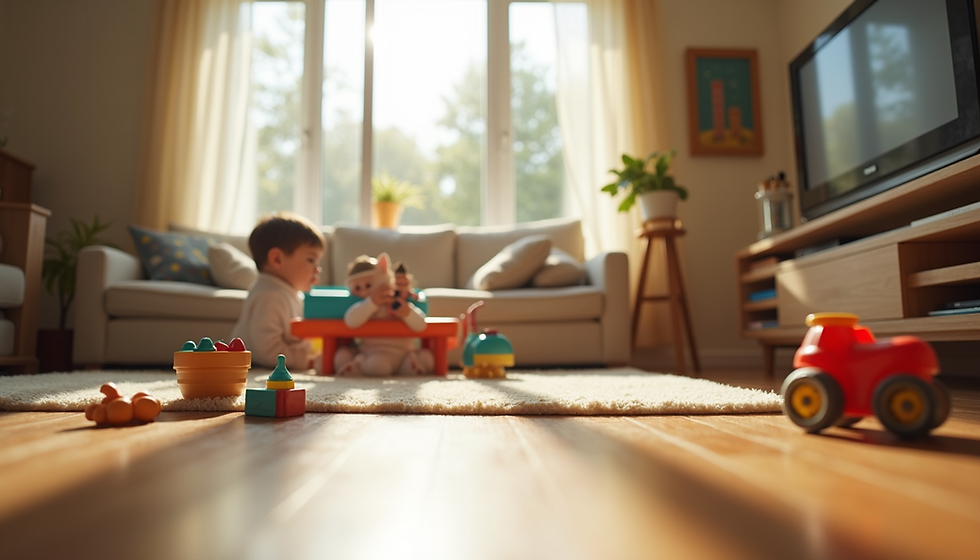
In homes, creating sensory-friendly spaces can enhance family well-being. Consider the following:
Designate Relaxation Areas: Create specific areas for relaxation with comfortable seating, calming colors, and soothing sounds.
Incorporate Nature: Bring the outdoors in with plants, natural light, and nature-inspired decor to create a calming atmosphere.
Educational Settings
In schools, sensory-friendly environments can support students' learning and emotional well-being:
Quiet Zones: Establish quiet zones where students can retreat when feeling overwhelmed.
Sensory Tools: Provide sensory tools, such as fidget toys or weighted blankets, to help students manage stress and anxiety.
Workplace Environments
In workplaces, creating safe spaces can enhance employee productivity and satisfaction:
Break Rooms: Design break rooms with comfortable seating, calming colors, and soothing sounds to encourage relaxation during breaks.
Flexible Workspaces: Allow employees to choose their work environment, whether it be a quiet corner or a collaborative area, to suit their sensory preferences.
Conclusion
Creating safe spaces through sensory experiences is essential for promoting well-being and mental health. By understanding the importance of our senses and how they interact with our environment, we can design spaces that foster comfort, security, and connection. Whether at home, in schools, or workplaces, implementing sensory-friendly elements can significantly enhance the quality of life for individuals.
As we move forward, let’s prioritize the creation of safe spaces that nurture our senses and support our mental health. Consider what sensory experiences you can incorporate into your environment today to make it a more welcoming and comforting place.

Comments